
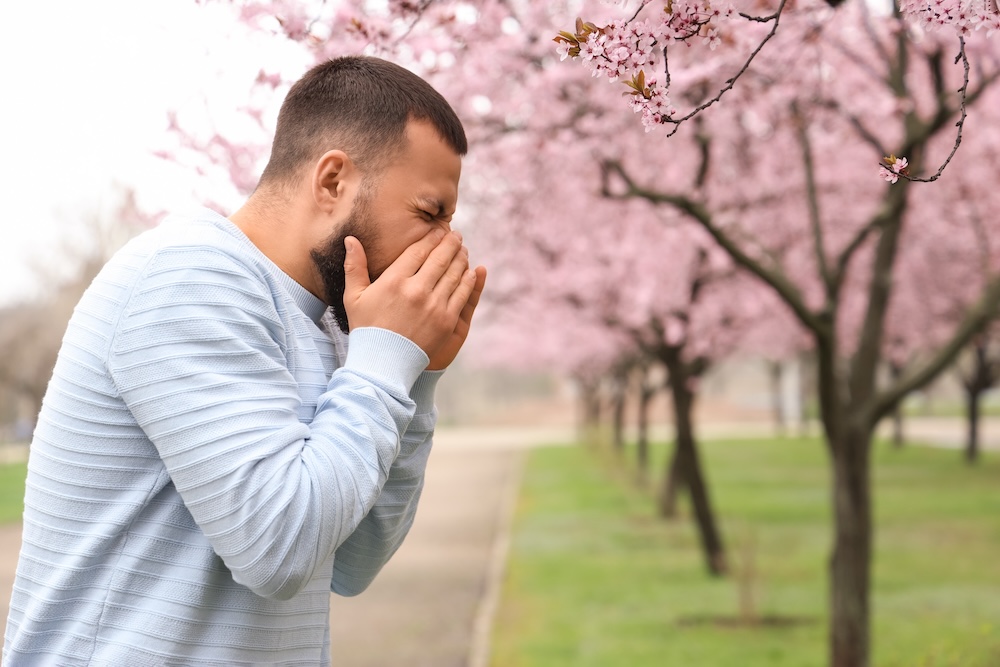
Spring may be a difficult time of year for people with seasonal allergies. When the first symptoms arrive, finding the best way to manage your allergies will be your top priority. But how can you prevent sneezing, congestion and itchy eyes from taking over the season? The key is to start preparing early with the help of an experienced Atlanta allergist.
What to Do Before Spring Allergy Season Begins
Waiting until spring, when allergies are already disrupting your daily life, can make symptoms harder to control. The following tips can help you get ahead of seasonal allergies and prevent the worst effects.
Know Your Seasonal Allergy Triggers
Spring pollen season typically runs from late February to May, with peaks in late March and mid-April. During this period, oak, birch, hickory, cedar and other tree pollens are common. Grass pollen can overlap with tree pollen season, while mold spores may be likely due to Georgia’s humidity. Knowing what you’re allergic to is important for controlling the condition before the season starts.
See an Allergist Before Spring Allergies Start
An early evaluation at your allergist’s office enables you to get a head start on treatment. If you’ve had symptoms in the past, your allergist may recommend allergy testing to identify the specific allergen or allergens triggering your response. This greater understanding of your sensitivities is one of the main benefits of allergy testing.
Monitor Local Pollen Counts
Pollen counts will directly impact how likely you are to experience spring allergy symptoms. By routinely checking pollen counts, you can prepare yourself for the beginning of your personal allergy season. From adjusting outdoor activities to proactively taking medication, monitoring fluctuating pollen levels helps you manage your allergy.
Start Allergy Medication Early
When you understand how allergy symptoms usually affect you, it’s possible to prepare for the sneezing, itching, nasal congestion and runny nose that occurs each year. Taking antihistamines, corticosteroids or decongestants before symptoms set in can lessen how severely symptoms will affect you. But when you wait until symptoms have already taken hold, you may find that it takes longer for medication to offer relief.
Make Simple Changes at Home
Replacing HVAC and air filters regularly can reduce your exposure to seasonal allergens. If you see that pollen counts are rising, keeping windows closed as much as possible is also a good option. After spending time outdoors, it’s wise to change clothes to avoid spreading pollen throughout the home.
Discuss Allergen Immunotherapy With Your Allergist
For some patients, taking allergy shots will be the best strategy to manage spring seasonal allergies. This effective allergy treatment reduces immune system sensitization by gradually exposing the patient to manageable doses of the allergen. As this immunotherapy treatment takes several months, getting started early may deliver results more quickly.
Testing and Treatment for Spring Seasonal Allergies in Atlanta
Chacko Allergy, Asthma and Sinus Center provides dependable allergy care for adults and children in the Atlanta area. If you’re experiencing spring seasonal allergy symptoms, visit one of our allergy centers for support. Contact us at (678) 668-4688 or request an appointment.


