
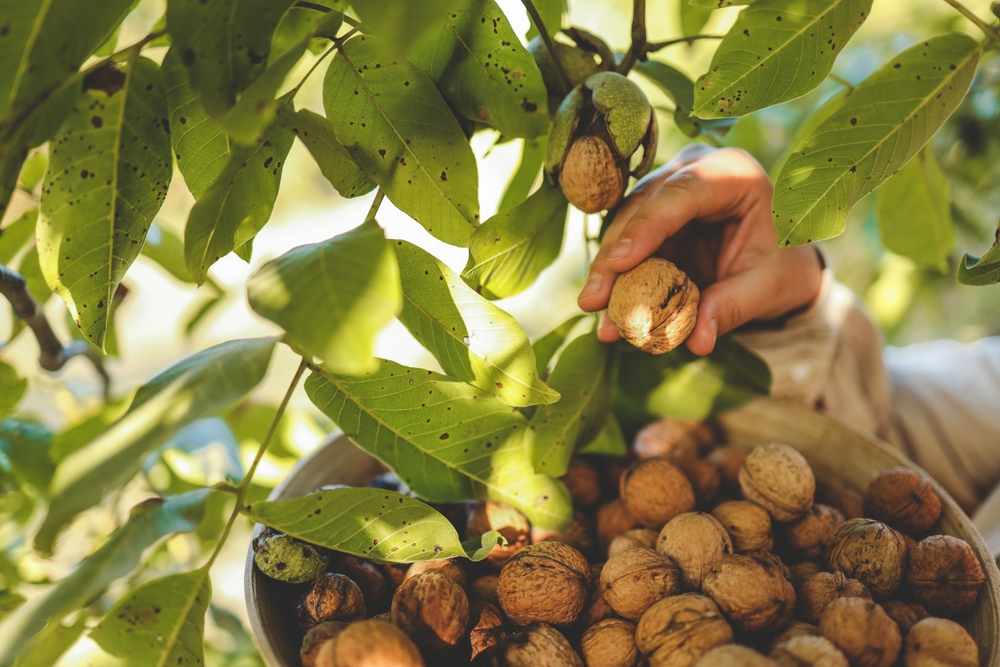
Being allergic to one tree nut doesn’t mean you’re allergic to all of them. Almonds, cashews, walnuts and hazelnuts each contain their own proteins, and your immune system may react to some of those proteins and not to others. But there are many people with a tree nut allergy in Atlanta that do react to more than one nut. So why are some nuts a problem while others are not, and do you really need to avoid them all?
Why Some Tree Nuts Cause a Reaction and Others Do Not
When a person reacts to a tree nut, they are responding to the particular proteins within a specific tree nut. They may seem similar, but all nuts are not in the same plant family. Nut proteins are not all the same, their structures are physically different, plus they have unique ratios of the amino acids that proteins are built on.
A person’s immune system is reacting to the proteins it perceives as harmful, while tolerating other proteins very well. For example, someone could eat cashews without a problem, yet react to almonds. When nuts have similar proteins, the immune system could react.
Which Tree Nut Allergies Commonly Occur Together
Reacting to similar proteins in a closely related nut is called cross-reactivity. It’s fairly common for a person with a tree nut allergy, as some tree nuts are botanically related and contain similar allergenic proteins. Two of the most common examples include cashew and pistachio, and walnut and pecan. However, just because a person has a cashew allergy does not mean they will react to pistachio. You will need to consider testing for a tree nut allergy to find out definitively.
Do You Need to Avoid Every Tree Nut?
Avoiding all tree nuts is not always necessary, but an allergist could possibly recommend that. Before being tested and receiving a diagnosis, avoidance can help prevent accidental exposure to whole nuts, as well as the small or trace amounts found in snacks and sauces. This does limit a person’s food choices, though it may not be needed long-term. The best approach is to follow your food allergist’s advice as they work to create a treatment plan.
How an Allergist Tests for Individual Tree Nut Allergies
Identifying whether a person is allergic to one or more tree nuts involves an allergist reviewing their symptom history and using food allergy testing when appropriate. Assessment begins with analysis of the patient’s medical history, including which nut was eaten and how much was consumed. At Chacko Allergy, Asthma and Sinus Center, our allergists use skin prick testing or blood testing to measure how the immune system responds. Both of these tests allow an allergist to test for multiple tree nuts at once.
When Other Tree Nuts May Be Safe to Eat
Other tree nuts may be safe when a person has eaten them without symptoms, and the allergist’s evaluation does not indicate an allergy. The combination of a negative test result and a history of eating the specific nut without a reaction is a good sign, though it is sometimes necessary to confirm this with an oral food challenge. After the diagnosis is complete, patients can review options for managing the nuts they are allergic to, including oral immunotherapy treatment and prescription medication.
Tree Nut Allergy Testing and Treatment in Atlanta
Chacko Allergy, Asthma and Sinus Center provides tree nut allergy services for adults and children. To access food allergy testing and treatment near you, visit one of our Atlanta-area treatment centers. Call (678) 668-4688 or request an appointment.


