
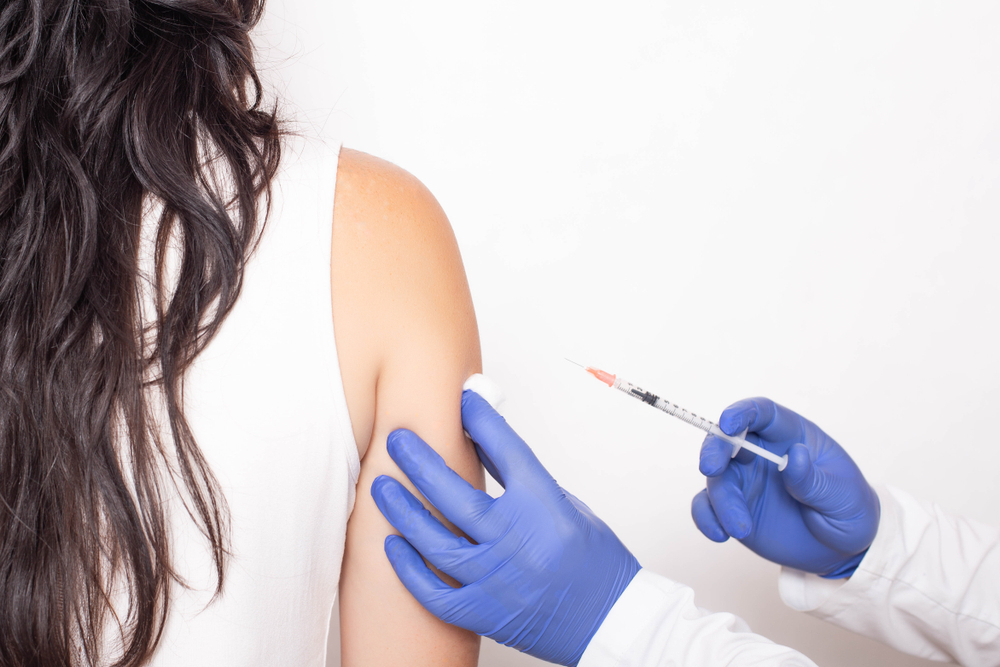
Anyone considering immunotherapy for environmental allergies should know it’s not a quick fix. Allergy shots will not resolve symptoms in one or two visits to your Atlanta allergist’s office. For treatment to deliver long-term results, patients commit to a process that can stretch over several years. Here’s what to expect from immunotherapy during the important first year of treatment.
Immunotherapy for Seasonal and Environmental Allergies
Allergy shots are a form of subcutaneous immunotherapy that’s used to treat certain environmental allergies, allergic asthma and insect sting allergies. Patients receive periodic injections of a small amount of one or more allergens identified during testing, such as pollen, mold, dust mites or pet dander. Repeated exposure to the allergen reduces the immune system’s sensitivity. With treatment lasting 3–5 years, the first year is the beginning of a longer process that patients must commit to.
What Happens Before Your First Allergy Shot?
Before starting immunotherapy, your allergist will need to diagnose the allergy you’re dealing with. In most cases this will involve skin prick testing, as well as a review of symptoms and medical history. Allergists use this information to select the allergens and concentrations that go into each injection. Next, patients will receive a treatment schedule and can begin the buildup phase of injections.
What to Expect During the Immunotherapy Buildup Phase
The buildup phase is the period when the immune system is gradually introduced to higher doses of an allergen. Injections start with low doses of the selected allergen or allergens, usually once or twice per week, but allergists set the schedule based on each patient’s response. Note that missing appointments can delay the gradual increase in dose amounts. At the end of each session, allergists check for redness, itching, swelling and any other signs of a reaction.
What Changes During the Maintenance Phase of Immunotherapy?
The maintenance phase begins once the patient reaches the target dose set during buildup. Instead of continuing to increase the allergen amount, injections now focus on sustaining the immune tolerance already built. This means receiving a steady dose on a regular schedule, usually every 2–4 weeks. While many patients reach the maintenance phase in the first year, it can be longer than that for some patients, in part due to missed appointments that slow down progress, or by following a more gradual dosing schedule. Once in the maintenance phase, immunotherapy helps reduce dependence on medications with controlled exposure to allergens.
When Do Allergy Shots Start Working?
Because immunotherapy is intended to work gradually, most patients notice symptom relief building up slowly, rather than all at once. For some patients, symptoms may noticeably improve during the buildup phase, while others might not recognize a change until months after reaching the maintenance phase. When the allergy is diagnosed as seasonal, patients may need to wait until pollen season comes around again before they notice milder symptoms.
What Happens After the First Year of Immunotherapy?
For most people allergy shots will continue after the first year. Injections are administered every few weeks, with periodic reviews of symptom changes and reactions, whether the treatment is for adult or pediatric allergies. For the rest of the treatment period, usually 3–5 years, immunotherapy works to keep immune system tolerance high, so that any contact with the allergen is less likely to trigger a reaction.
Allergy Immunotherapy Specialists in the Atlanta Area
To discuss immunotherapy and other allergy treatment options, contact Chacko Allergy, Asthma and Sinus Center. We provide allergy testing and management services at locations across the Atlanta area. To reach us, call (678) 668-4688 or request an appointment today.


