
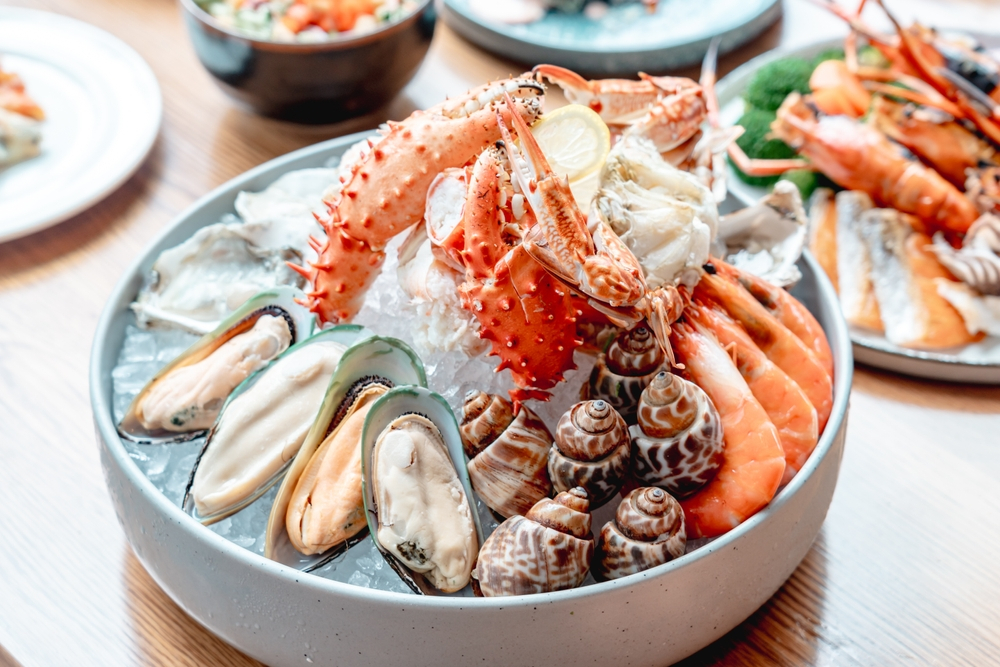
After a first reaction to shellfish, it’s hard to know what’s safe to eat or whether it will happen again. But rather than making assumptions and removing safe foods from your diet, visiting a shellfish allergy specialist can help you make smart choices. Whether you need a diagnosis or help avoiding allergens, an Atlanta food allergist will put a shellfish allergy management plan in place for the long term. For those without an accurate diagnosis already, this process starts by identifying allergy triggers.
Confirming Your Diagnosis and Identifying Shellfish Triggers
A single allergic reaction can lead some people to remove shellfish, and even all seafood, from their diet entirely. But without food allergy testing you can’t be sure which specific shellfish triggered the response, or even if an altogether different ingredient could be responsible.
The term “shellfish allergy” is a broad category that can include various types of sensitivities. For instance, some people react to crustaceans, others to mollusks, and some to both. Here are the main types of mollusks and crustaceans.
- Crustaceans – shrimp, crab, lobster and crawfish.
- Mollusks – clams, mussels, oysters, scallops and squid.
An allergy specialist can test for the main shellfish types and other possible triggers using skin prick or blood testing. The precision that results from professional testing helps patients better manage their allergies.
Creating a Shellfish Allergy Management Plan
After identifying the signs of a shellfish allergy and delivering a diagnosis, the next step is to provide a long-term shellfish allergy management plan. An allergy specialist will advise you on the common names, ingredients and dishes that are most likely to trigger a reaction. A good example of this is shrimp paste, an ingredient often found in curry pastes and sauces but that may not be listed on a menu. Oyster sauce is also present in many stir-fries, glazes and dipping sauces.
Experienced allergists won’t create a one-size-fits-all plan for every patient. Rather, they will consider what a patient actually does, such as frequent traveling or dining out in restaurants. They can then provide more personal guidance that fits that person’s lifestyle, including avoidance strategies for home, work, school, restaurants and events.
Reducing the Risk of Accidental Allergen Exposure
One of the biggest risks for a person with a shellfish allergy is accidental exposure to allergens. Shellfish can be used in sauces, stocks and seafood dishes that will not be immediately obvious. Even harder to avoid are the trace amounts of shellfish that could be found on cutting boards, utensils, and surfaces during food preparation. Specialists focus on the precautions that reduce a real risk of exposure, but without excessive restriction that can easily lead to food anxiety.
Preparing for a Shellfish Allergy Emergency
Shellfish allergies can cause severe and life-threatening reactions including throat swelling, dizziness, serious breathing problems, a rapid drop in blood pressure and fainting. While most reactions will not be this extreme, in case of emergency patients and their families should be knowledgeable about potential severe symptoms.
After allergy testing services confirm a diagnosis, food allergy specialists often prescribe an epinephrine auto-injector to use in case of an extreme reaction. This medication should be close by at all times, with friends and family also being taught exactly how to use the device. During shellfish allergy management planning, your allergist can create an emergency plan and demonstrate how the medication is administered.
Visit Our Shellfish Allergy Specialists in the Atlanta Area
Chacko Allergy, Asthma and Sinus Center provides shellfish allergy testing and management services for adults and children. Visit one of our Atlanta-area treatment centers for a diagnosis and treatment plan. Call (678) 668-4688 or request an appointment.


