
Identifying the Causes of Nasal Allergies and Sinusitis
Chacko Allergy, Asthma and Sinus Center is a leading provider of nasal allergy and sinusitis treatment in the Atlanta area. With millions of Americans experiencing allergic reactions, nasal congestion and postnasal drip each year, this condition is a major cause of ill health. And because the causes of sinusitis vary significantly, without the help of an experienced allergy doctor it can be truly challenging to determine nasal allergy triggers.
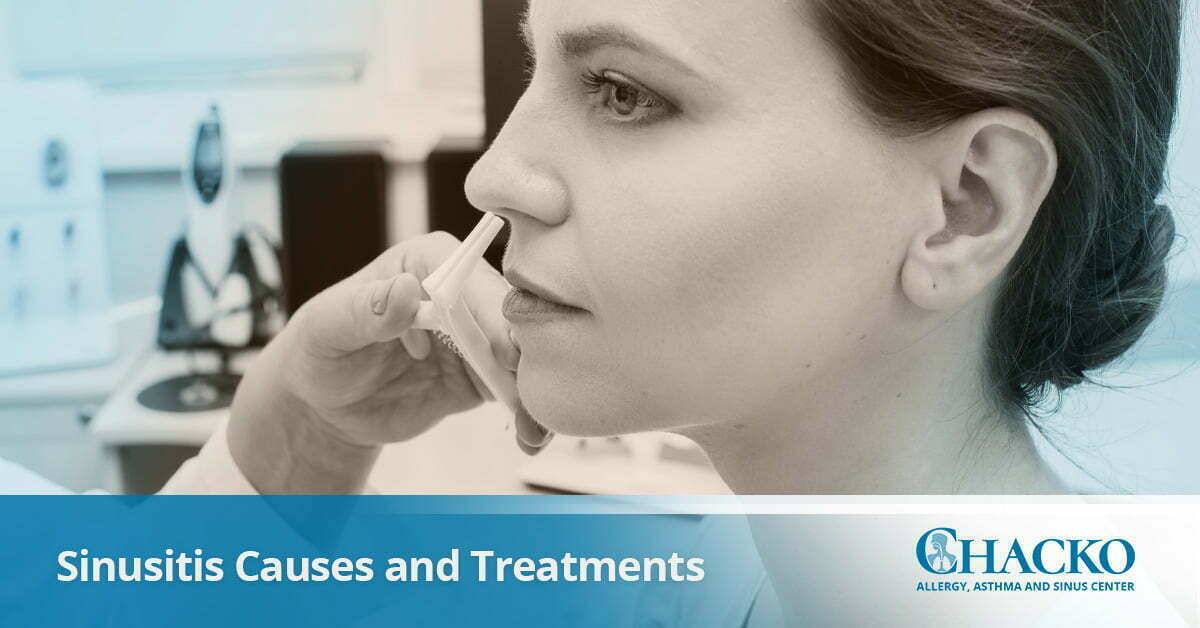
Data published by The Journal of Allergy and Clinical Immunology suggests that 12.5% of the U.S. population is affected by chronic sinusitis. Along with other types of sinusitis, the prevalence of this condition contributes to frequent sick days and sub-par health. However, in reality, many recurring sinus infections are manageable with a reliable diagnosis and treatment plan.
Our allergy doctors are committed to helping Georgia patients overcome nasal allergies and sinus infections with personalized care. By identifying and treating the causes of sinusitis, people of all ages can get a solution that offers long-lasting relief from this persistent health concern.
What Is Sinusitis?
Sinusitis is also known as a sinus infection, which is also usually followed by a cold that can cause pain and pressure in the head and face areas.
What Causes Sinusitis?
Sinusitis is caused when the lining of the sinus cavity gets inflamed from a viral infection. There are three different causes of Sinusitis.
- Viruses – Common cold and flu germs that cause swelling and blockage in your sinuses.
- Bacteria – Germs that can grow when swollen sinuses struggle to drain properly.
- Fungi – Mold-like organisms that can grow in your sinuses when your immune system is weakened.
Most cases of Sinusitis are caused by the same virus that causes the common cold. If the inflammation of sinus cavity doesn’t go away and worsens, the swelling can then block the normal drainage from the sinuses into the nose and throat. If fluid builds up, bacteria or fungi can start to grow. Bacterial or fungal infections can cause more swelling and sinus pain. If it goes untreated it can last longer, get worse with time, and then become chronic.
Another cause of Sinusitis is when allergies block the nasal passages and allow for fluid build-up. When the body reacts to allergens like pollen, dust or pet dander, the immune system releases chemicals that inflame the nasal lining. Nasal swelling and inflammation that narrows the sinus openings will make drainage difficult. Consequently, mucus and fluid become trapped and the risk of a sinus infection rises. An allergist can help identify whether allergies are contributing to your sinus issues and recommend treatment options.
What Are the Symptoms of Sinusitis?
The main symptoms of Sinusitis are a runny/stuffy nose or pain/pressure in your head and face. There could also be a yellow or green postnasal discharge. Other common symptoms of Sinusitis could include the following.
- Headache
- Bad breath
- A cough that produces mucus
- Fever
- Pain in your teeth
- Reduced sense of taste or smell
How Will the Doctor Diagnose Sinusitis?
To diagnose Sinusitis, an allergy doctor will look inside your nose or will feel tenderness in your nose and face. In some cases, you may be referred to an ENT specialist for additional diagnostic procedures. Additional diagnostic methods may include the following.
- Nasal Endoscopy – A thin tube with a fiber optic light that is inserted through your nose may be used by an ENT specialist to see inside your sinuses. Also known as a rhinoscopy.
- Imaging – An ENT specialist may use an MRI or CT scan to show details of your sinuses. These medical images can pinpoint any deep inflammation or obstructions that can be difficult to detect with a nasal endoscopy.
- Nasal and Sinus Cultures – If chronic sinusitis fails to respond to treatment or is worsening, tissue cultures can determine the cause and if it could be bacterial or fungal issues.
- Allergy Test – If there is a possibility that the condition may be triggered by allergies your allergy doctor may recommend an allergy skin test.
How Is Sinusitis Treated?
The approach to treating sinusitis will vary depending on the specific cause of the condition. After identifying whether you have a viral, bacterial or fungal infection, your allergist can recommend the most appropriate treatment.
Virus Infection
When you have a virus sinus infection it can usually go away within 10-14 days. Antibiotics don’t usually help a viral infection, but there are home remedies that you can do to help relieve the symptoms.
- Drink plenty of fluids.
- Use a hot damp towel on your face for 5-10 minutes at a time, a few times a day.
- Breathe the warm, moist air from a steamy shower, this can clear the nasal passages.
- Get saline nose drops or spray. These can keep the nasal passages moist and help keep them open while washing out mucus and bacteria.
- Over-the-counter sinus medication to relieve the pressure in your head and face.
With these home remedies, it will help flush the mucus out of your sinuses and help prevent a more serious case of sinusitis like a bacterial or fungal infection.
Bacterial Infection
If you end up getting a bacterial infection this can be treated with antibiotics. This can help the symptoms within a few days but some of the symptoms can last up to several weeks. If you have chronic sinusitis you will need to take your antibiotics for a longer period.
Fungal Infection
If you get a fungal infection, which is a very rare case, antibiotics won’t help your sinusitis. This type of infection can be treated in one of the following ways, with an antifungal medication, steroid medication and even surgery depending on how severe the case is.
What are the Types of Sinusitis?
Sinus infections can vary considerably, from how long the condition lasts to how severe the symptoms are. Sometimes sinusitis will clear up quickly without causing much discomfort. However, patients may find that symptoms persist for months or return frequently. There are four main types of sinusitis.
Acute Sinusitis – This type of infection starts suddenly after a cold or flu. The resulting symptoms include congestion, facial pain and headaches that typically last between 2–4 weeks.
Subacute Sinusitis – When the initial infection doesn’t clear, symptoms usually last between 4–12 weeks. Medical treatment is required to ensure it doesn’t become a chronic condition.
Chronic Sinusitis – Sinus inflammation that persists for 12 weeks or longer is considered to be chronic. Symptoms lasting this long may be linked to allergies, nasal polyps or structural nasal issues.
Recurrent Sinusitis – When sinus infections occur several times in a year it’s “recurrent.” While recurrent sinusitis will clear up, the fact that it also returns indicates an underlying condition, such as allergies or nasal polyps.
What Happens if Sinusitis Isn’t Treated?
If sinusitis isn’t treated and hasn’t cleared up naturally, then it could lead to meningitis, a brain abscess or even an infection of the bone. These complications are rare and are only likely to occur for patients with severe symptoms that are untreated for a long time. However, without treatment, sinus infections can become chronic, with symptoms lasting several months. Additionally, many people find that symptoms impact their general well-being by causing fatigue, sleep issues and problems focusing.
What Are the Risk Factors for Sinusitis?
Various health conditions, lifestyle factors and structural issues can increase the likelihood of developing sinusitis. While these factors won’t always directly cause a sinus infection, they often contribute to the severity or frequency of the condition.
A person can be at risk of getting chronic or recurrent sinusitis if they have one or more of the following.
- A nasal passage abnormality
- Asthma
- Aspirin Sensitivity
- An immune system disorder
- Hay fever or other allergic conditions
- Regular exposure to pollutions
What Are the Complications of Sinusitis?
Inadequate treatment of sinusitis can cause the condition to spread to surrounding areas. While the majority of cases are minor, failing to address sinusitis properly may create more significant health concerns. Some complications that can be associated with sinusitis include the following.
- Meningitis – A serious infection that can cause inflammation of your membranes and fluid that surrounds your brain and spinal cord.
- Other Infections – Other infections can include bone issues like osteomyelitis or spread to the skin called cellulitis.
- Partial or Complete Loss of Sense of Smell – Nasal obstruction and inflammation of the olfactory nerve can cause you to have a loss of smell that could be temporary or even permanent.
- Vision Issues – If the infection spreads to the eye socket, it can cause vision issues or (in rare cases) even cause permanent blindness.
How Can I Prevent Sinusitis?
With the potential for long-lasting symptoms and even severe health complications, it’s vital that those most at risk take action to prevent sinusitis. Simple health and lifestyle adjustments can make a significant difference and reduce the chances of infections developing or becoming chronic. To reduce your risk of getting chronic sinusitis you should take the following steps.
- Avoid Upper Respiratory Infections
- Control Your Allergies
- Avoid Polluted Air
- Use a Humidifier at Home to Add Moisture to the Air
At Chacko Allergy, Asthma and Sinus Center, we can offer guidance and support to ensure your risk of sinusitis is reduced. With these simple measures and a sinus infection treatment plan, you can put an end to aggravating and recurring symptoms.
Common Sinusitis Questions
When should I see a medical professional for sinusitis symptoms?
You should see an allergist if sinusitis symptoms persist for 10 days or more without improvement. Seek immediate medical attention if you experience severe symptoms, such as a high fever, intense headache, pain, swelling or difficulty breathing.
What allergies cause sinusitis?
Allergies that cause sinusitis include seasonal allergies like pollen, dust mites, mold and pet dander. Exposure to these allergens causes an allergic reaction that leads to inflammation and swelling in the nasal passages and sinuses.
Can natural remedies treat sinusitis?
Natural remedies like nasal irrigation and steam inhalation can offer some relief from symptoms, but they are not typically effective in treating sinusitis. For long-lasting relief you’ll need to treat the underlying causes, such as allergies.
Professional Nasal Allergy and Sinusitis Treatment in the Atlanta Area
At Chacko Allergy, Asthma and Sinus Center, we help patients who are experiencing the common symptoms of sinusitis. Our allergists provide precise allergy testing services and comprehensive treatment plans that tackle the causes of nasal allergies. Visit one of our centers in the Atlanta area for help with chronic sinusitis, asthma and allergies. For assistance, call us at (678) 668-4688 or request an appointment now.


